February 27, 2026
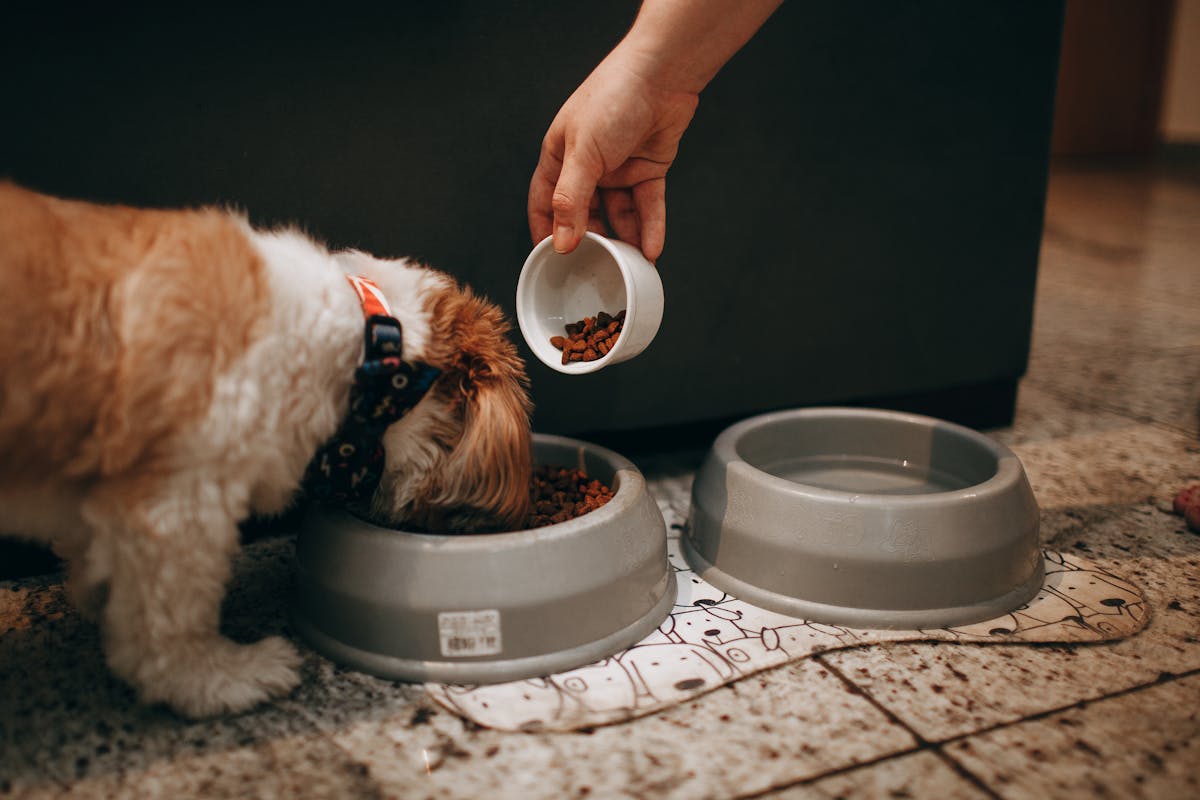
Feeding a puppy can feel a little like trying to fill up a tiny race car with the perfect amount of fuel. Too little, and they run out of energy. Too much, and things get messy fast.
If you have ever stared at your puppy’s food bowl wondering, “Am I feeding enough? Or am I feeding too much?” you are not alone.
Creating the right puppy feeding schedule is one of the most important steps in raising a healthy, happy dog. Puppies grow quickly, and their bodies need the right balance of nutrients, calories, and routine.
So let’s make it simple and clear.
Why Feeding the Right Amount Matters
Puppies are not just small dogs. They are growing machines.
Puppies Grow Fast and Need Proper Fuel
During the first year of life, puppies develop:
- Strong bones
- Healthy muscles
- A working immune system
- Brain development
Food is the building material for all of that growth. Think of it like constructing a house. If you do not have enough bricks, the house will not be strong.
Overfeeding vs Underfeeding Risks
Feeding the wrong amount can cause problems.
Underfeeding may lead to:
- Poor growth
- Weak bones
- Low energy
Overfeeding may lead to:
- Obesity
- Joint problems (especially in large breeds)
- Digestive upset
The goal is balance.
Understanding a Puppy Feeding Schedule
A feeding schedule is not just about food quantity. It is also about timing.
What Is a Puppy Feeding Schedule?
A puppy feeding schedule is a routine that tells you:
- How much to feed
- How often to feed
- When to transition to fewer meals
A consistent schedule helps puppies feel secure and supports healthy digestion.
Why Routine Is Important
Puppies thrive on routine. When meals happen at the same time each day, it becomes easier to:
- Potty train them
- Monitor appetite changes
- Prevent overeating
It is like setting their internal clock.
Factors That Affect How Much a Puppy Eats
There is no one size fits all answer. Several factors determine daily food needs.
Puppy Age and Growth Stage
Young puppies need more frequent meals because their stomachs are tiny, but their energy demands are huge.
As they grow, they can eat larger meals less often.
Puppy Breed Size
Breed size plays a major role.
Small Breeds vs Large Breeds
Small breeds (like Chihuahuas) have fast metabolisms and may need more calories per pound.
Large breeds (like Labradors) need controlled portions to prevent growing too fast, which can harm joints.
Activity Level and Energy Needs
A playful, active puppy burns more energy than a calm one.
If your puppy zooms around the house like a furry tornado, they may need slightly more food.
How Much Should a Puppy Eat Per Day by Age
Let’s break it down by growth stages.
Feeding Puppies 6 to 12 Weeks Old
At this age, puppies are still very young.
They typically need:
- 4 meals per day
- Softened puppy kibble or wet food
- Small portions
Most puppies eat about 1/2 to 1 cup of food daily, depending on breed.
This stage is all about frequent fuel.
Feeding Puppies 3 to 6 Months Old
Now puppies are growing fast and becoming more energetic.
They usually need:
- 3 meals per day
- Larger portions as they grow
Daily intake often ranges from 1 to 2.5 cups per day.
Always follow the feeding chart on your puppy food bag as a starting point.
Feeding Puppies 6 to 12 Months Old
This is the teenage phase.
Most puppies need:
- 2 meals per day
- Adjusted portions based on weight
Daily food intake may range from 2 to 4 cups for medium and large breeds.
Smaller breeds may still eat less than 2 cups.
How Many Times a Day Should You Feed a Puppy?
Meal frequency matters just as much as portion size.
Meal Frequency Guidelines
General rule:
- 6 to 12 weeks: 4 meals/day
- 3 to 6 months: 3 meals/day
- 6 to 12 months: 2 meals/day
- Adult dogs: 1 to 2 meals/day
Transitioning to Adult Feeding
Around 12 months (or later for giant breeds), you can slowly transition to adult dog food and adult meal schedules.
Ask your vet for the best timing.
Choosing the Right Puppy Food
Food quality is just as important as food quantity.
Dry Food vs Wet Food
Dry kibble is convenient and supports dental health.
Wet food is tasty and hydrating but can be more expensive.
Many owners use a mix of both.
Choose what works best for your puppy.
Reading Puppy Food Labels
Look for food labeled specifically for:
- Growth
- Puppies
- Large breed puppies (if applicable)
Good puppy food should contain:
- Protein for muscle
- Calcium for bones
- DHA for brain development
Common Puppy Feeding Mistakes
Even loving owners make mistakes.
Too Many Treats
Treats are great for training, but they should not exceed 10 percent of daily calories.
Too many treats can throw off your puppy feeding schedule and cause weight gain.
Sudden Food Changes
Switching food too quickly can cause diarrhea or vomiting.
Always transition slowly over 7 to 10 days.
Mix a little new food with the old, increasing gradually.
Signs Your Puppy Is Eating the Right Amount
So how do you know you are doing it right?
Healthy Weight and Energy
A well-fed puppy should have:
- Steady growth
- Playful energy
- A visible waistline
- Ribs that can be felt but not seen
Monitoring Growth with Your Vet
Your vet is your best partner.
Regular checkups help ensure:
- Proper weight gain
- Healthy development
- Adjustments in feeding as needed
Think of your vet like a coach guiding your puppy’s growth journey.
Conclusion
Feeding your puppy is one of the biggest responsibilities and one of the best ways to show love.
A healthy puppy feeding schedule is not about guessing or overthinking. It is about understanding your puppy’s age, breed, activity level, and nutritional needs.
With the right portions, consistent routine, and high-quality food, you are setting your puppy up for a lifetime of health and happiness.
And remember, when in doubt, your vet can always help you fine-tune the perfect plan.
FAQs
1. How much should a puppy eat each day?
It depends on age, breed, and activity. Most puppies eat between 1/2 cup to 4 cups daily.
2. How often should puppies eat per day?
Young puppies need 4 meals daily, while older puppies usually transition to 2 meals per day.
3. Can I free-feed my puppy?
Free-feeding is not recommended. Scheduled meals help with potty training and prevent overeating.
4. When should I switch my puppy to adult dog food?
Most puppies transition around 12 months, but large breeds may need puppy food longer.
5. What happens if I overfeed my puppy?
Overfeeding can lead to obesity, joint issues, and digestive problems, especially in large breeds.
Related Articles
-

Community
How to Train Your Dog to Stay Home Alone
Why Dogs Struggle to Stay Alone Let’s be honest—dogs aren’t designed to be alone for long periods. They’re social animals, wired to stay close to their pack. And guess what... -

Community
How to Keep Your Puppy Safe During Fireworks: Essential Tips
Fireworks are exciting for people, but for puppies they can feel overwhelming and frightening. The loud noises, flashing lights, and sudden bursts can easily startle a young dog th... -
Community
Dog Weight Limits on Planes: Airline Rules and Travel Tips
Traveling with your dog can be an exciting experience, but it also requires careful planning and understanding of airline policies. One of the most important things pet owners need... -

Community
Small Dogs, Big Hearts: Best Puppy Breeds for Apartment Living
Living in an apartment doesn’t mean you have to miss out on the joy of owning a dog. In fact, some of the best small dog breeds for apartment living are perfectly happy curling u... -
Community
Petland: The Trusted Choice for Ethically Bred Puppies and Your Family’s Next Companion
Bringing home a new pet is an exciting milestone, but choosing where to find your furry family member can be challenging. Petland has established itself as a reliable and compas...
-
Community
What Makes Puppies Thrive? The Science of Puppy Happiness
That adorable puppy isn’t just cute; it’s a complex creature needing specific things — understanding what makes a puppy thrive is key to their happiness and de...
-
Community
What Comes With A Puppy From Petland?
So, you’re thinking about getting a puppy from Petland? Get ready because you’re not just taking home a bundle of furry joy. You’re also getting a full-on star...
-
Community
Puppy Play Dates: Making New Furry Friends The Fun & Safe Way
Bringing home a new puppy is like adding a little tornado of energy to your life. They zoom around, chew on everything, and look at you with those big, eager eyes that say, R...
-

Community
The 5 Best Dog Breeds for Families: Your Perfect Furry Companion Awaits!
Bringing a dog into your family is a big decision that comes with lots of joy, responsibility, and, of course, plenty of tail wags. With so many breeds to choose from, finding t...
-

Community
Your Paw-some New Puppy Checklist: Everything You Need for Your Furry Friend!
Bringing home a new puppy? Get ready for cuteness overload, lots of tail wags, and… a bit of chaos too. Puppies are like tiny, adorable tornadoes that can turn your world ...