March 13, 2026
Traveling with your dog can be an exciting experience, but it also requires careful planning and understanding of airline policies. One of the most important things pet owners need to know before flying is the dog weight limit on planes. Airlines set strict rules about how much a dog can weigh to travel in the cabin or cargo area. These limits exist to ensure safety, comfort, and proper handling during the flight. If you plan to travel with your furry companion, knowing the rules ahead of time can help you avoid unexpected surprises at the airport.
Flying with dogs has become increasingly common, especially as more people consider pets part of the family. However, each airline has specific guidelines regarding weight limits, carrier sizes, and travel requirements. Understanding these regulations allows you to prepare properly and ensure a smooth journey for both you and your dog. This guide explains airline weight rules, cabin vs cargo options, and practical travel tips to make flying with your dog easier.
Understanding Dog Weight Limits on Planes
Airlines generally divide dog travel into two main categories: in-cabin travel and cargo travel. The dog weight limit on planes determines which category your dog will fall into.
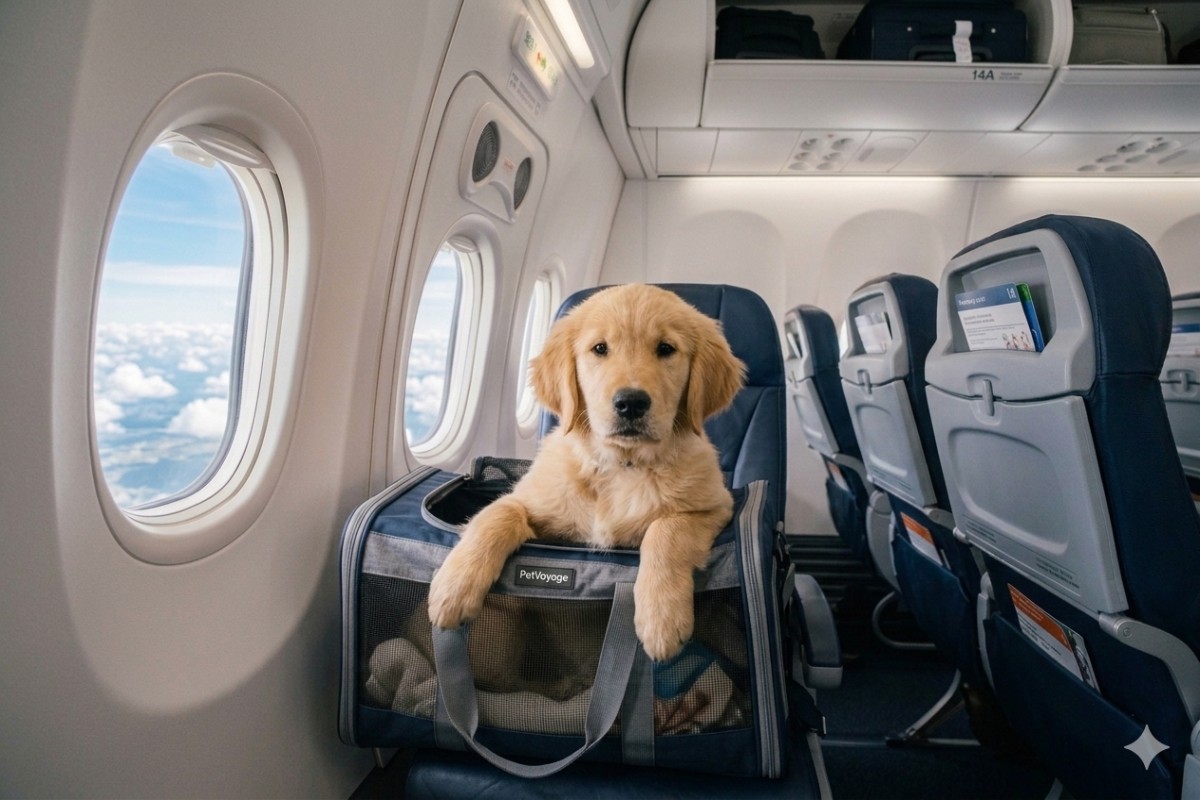
Most airlines allow only small dogs in the cabin with their owners. The combined weight of the dog and carrier usually must be under 15 to 20 pounds (7–9 kg) depending on the airline. The carrier must also fit comfortably under the seat in front of you. If your dog exceeds the weight limit for cabin travel, they typically must fly in the cargo hold as checked baggage or manifest cargo.
For larger dogs, cargo travel becomes the only option. While the cargo area is climate-controlled and designed for pet transportation, it can still be stressful for animals that are not used to travel. That is why many pet owners prefer flying with small dogs in the cabin whenever possible.
Understanding the difference between these travel categories helps you determine the best option for your dog based on size, breed, and temperament.
Cabin Travel Rules for Small Dogs
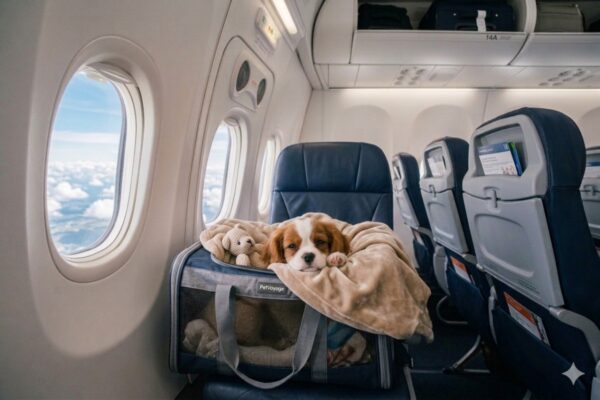
Cabin travel is the most comfortable option for pets because they remain close to their owners during the flight. However, airlines strictly enforce dog weight limit on planes for cabin travel.
Most airlines require:
- Dog and carrier combined weight under 15–20 pounds
- Carrier must fit under the seat
- Only one pet per passenger
- Dogs must remain inside the carrier throughout the flight
Soft-sided carriers are often recommended because they are flexible and easier to fit under airplane seats. The carrier should provide proper ventilation and enough space for the dog to stand, turn around, and lie down comfortably.
Another important factor is the number of pets allowed on each flight. Airlines typically limit the number of in-cabin pets, so it is important to reserve your dog’s spot early when booking your ticket.
Cargo Travel for Larger Dogs
If your dog exceeds the dog weight limit on planes for cabin travel, they may need to travel in the aircraft cargo hold. While this option can sound concerning, many airlines have specialized pet programs designed to transport animals safely.
Cargo travel requires an airline-approved travel crate that meets international standards. The crate must be strong, well ventilated, and large enough for your dog to move comfortably. Airlines also require water containers, absorbent bedding, and clear identification labels on the crate.
Temperature restrictions are also important. Many airlines will not allow dogs to travel in cargo if the weather is extremely hot or cold at the departure or arrival airport. This rule exists to protect animals from dangerous temperature changes during loading and unloading.
Pet owners should also arrive early at the airport because cargo check-in procedures can take longer than standard passenger check-in.
Preparing Your Dog for Air Travel
Preparation is essential when flying with pets. Dogs that are unfamiliar with travel carriers or noisy environments may feel anxious during the journey. Introducing your dog to the carrier several weeks before the flight can help reduce stress.
Start by placing the carrier in your home and allowing your dog to explore it voluntarily. You can place treats, toys, or a blanket inside to create a positive association. Gradually increase the time your dog spends inside the carrier until they feel comfortable resting there.
Veterinarians often recommend avoiding sedatives for flights, as they can affect a dog’s breathing and balance at high altitudes. Instead, focus on creating a calm environment and ensuring your dog has exercised before the flight.
Proper preparation can significantly improve your dog’s comfort and reduce anxiety during air travel.
Important Documents and Health Requirements
Before traveling with your dog, you may need several documents depending on the destination. These requirements often include:
- A health certificate from a veterinarian
- Vaccination records
- Microchip identification for international travel
- Import permits for certain countries
Many airlines require a veterinary certificate issued within 10 days of travel confirming that your dog is healthy and fit to fly. Some countries also have strict quarantine rules, so it is important to research destination regulations well in advance.
Having the correct documents ready can prevent travel delays and ensure a smooth check-in process at the airport.
Tips to Make Flying Easier for Your Dog
Flying can be a new and unfamiliar experience for dogs. Taking a few extra steps can help make the journey safer and more comfortable.
First, choose direct flights whenever possible. Layovers increase travel time and may cause unnecessary stress for pets, especially those traveling in cargo.
Second, avoid feeding your dog a large meal right before the flight. A light meal several hours before departure is usually recommended to prevent nausea.
Third, attach identification tags to your dog’s collar and travel crate. Include your name, phone number, and destination information in case of unexpected delays or separation.
Finally, bring familiar items such as your dog’s favorite blanket or toy. The familiar scent can help reduce anxiety and make the environment feel more comfortable.
Common Mistakes Pet Owners Should Avoid
Many pet owners make simple mistakes when planning to fly with their dogs. One of the most common errors is not checking the dog weight limit on planes before booking a ticket. Discovering that your dog cannot travel in the cabin at the airport can cause major travel disruptions.
Another mistake is choosing the wrong carrier size. Airlines are strict about carrier dimensions, and a carrier that does not fit under the seat may not be allowed onboard.
Pet owners should also avoid last-minute travel planning. Reserving your dog’s spot early and preparing all necessary documents in advance will prevent unnecessary stress on the day of travel.
Planning ahead is the best way to ensure a smooth and safe flight for both you and your pet.
Conclusion
Understanding the dog weight limit on planes is one of the most important steps when planning to travel with your dog. Airlines have strict policies to ensure animal safety and passenger comfort, and these rules determine whether your dog can travel in the cabin or must fly in cargo.
Small dogs that meet cabin weight limits can usually travel with their owners under the seat, while larger dogs require approved travel crates in the cargo area. Preparing your dog in advance, selecting the right carrier, and gathering the necessary documents can make the experience much easier.
With proper planning, flying with your dog can be a safe and enjoyable experience. By understanding airline rules and taking the right precautions, you can ensure your furry companion arrives at the destination happy, healthy, and ready for the next adventure.
FAQs
1. What is the typical dog weight limit on planes for cabin travel?
Most airlines allow dogs in the cabin if the combined weight of the dog and carrier is between 15 and 20 pounds.
2. Can large dogs fly in the cabin?
Generally, large dogs cannot travel in the cabin because they exceed airline weight and size limits.
3. Is cargo travel safe for dogs?
Yes, most airline cargo holds are temperature-controlled and designed for animal transportation.
4. Do airlines require health certificates for dogs?
Yes, many airlines require a veterinarian health certificate issued within 10 days of travel.
5. How can I reduce my dog’s stress during a flight?
Familiarize your dog with the travel carrier, choose direct flights, and bring comfort items like blankets or toys.
Related Articles
-

Community
How to Train Your Dog to Stay Home Alone
Why Dogs Struggle to Stay Alone Let’s be honest—dogs aren’t designed to be alone for long periods. They’re social animals, wired to stay close to their pack. And guess what... -

Community
How to Keep Your Puppy Safe During Fireworks: Essential Tips
Fireworks are exciting for people, but for puppies they can feel overwhelming and frightening. The loud noises, flashing lights, and sudden bursts can easily startle a young dog th... -
Community, Tips & Tricks
How Much Should a Puppy Eat Each Day?
Feeding a puppy can feel a little like trying to fill up a tiny race car with the perfect amount of fuel. Too little, and they run out of energy. Too much, and things get messy fas... -
Community
Small Dogs, Big Hearts: Best Puppy Breeds for Apartment Living
Living in an apartment doesn’t mean you have to miss out on the joy of owning a dog. In fact, some of the best small dog breeds for apartment living are perfectly happy curling u... -
Community
Petland: The Trusted Choice for Ethically Bred Puppies and Your Family’s Next Companion
Bringing home a new pet is an exciting milestone, but choosing where to find your furry family member can be challenging. Petland has established itself as a reliable and compas...
-

Community
What Makes Puppies Thrive? The Science of Puppy Happiness
That adorable puppy isn’t just cute; it’s a complex creature needing specific things — understanding what makes a puppy thrive is key to their happiness and de...
-

Community
What Comes With A Puppy From Petland?
So, you’re thinking about getting a puppy from Petland? Get ready because you’re not just taking home a bundle of furry joy. You’re also getting a full-on star...
-

Community
Puppy Play Dates: Making New Furry Friends The Fun & Safe Way
Bringing home a new puppy is like adding a little tornado of energy to your life. They zoom around, chew on everything, and look at you with those big, eager eyes that say, R...
-

Community
The 5 Best Dog Breeds for Families: Your Perfect Furry Companion Awaits!
Bringing a dog into your family is a big decision that comes with lots of joy, responsibility, and, of course, plenty of tail wags. With so many breeds to choose from, finding t...
-
Community
Your Paw-some New Puppy Checklist: Everything You Need for Your Furry Friend!
Bringing home a new puppy? Get ready for cuteness overload, lots of tail wags, and… a bit of chaos too. Puppies are like tiny, adorable tornadoes that can turn your world ...