
Small breed
Pomeranian Puppies
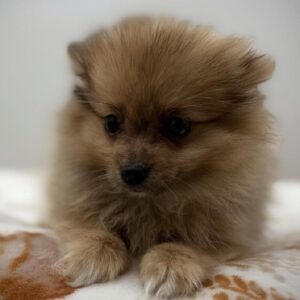
The Pomeranian, also called the ‘Pom’, is a famous Spitz dog named after the Pomerania region in Europe. Their cute size, sturdiness and lively nature make them one of the most popular dogs in the United States and Britain. Petland is honored to offer the highest quality Pomeranian puppies who will be an instant fit on your lap and in your family.
- Adult weight 3–7 lbs
- Height 8–12 in
- Lifespan 12–16 years
- Exercise 30 min a day
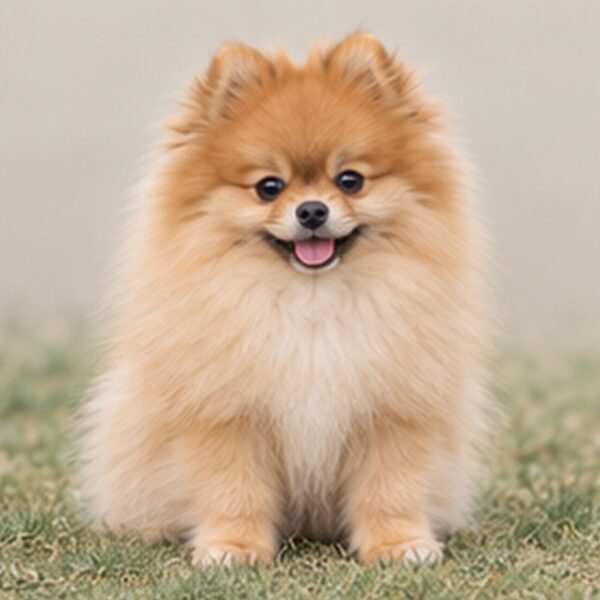 1 available now
Available Pomeranian Puppies
About the Pomeranian
The Pomeranian is a delightful small breed with a rich history that traces back to the fluffy dogs used by herders. Originating from the Arctic region, these tiny companions have evolved into the playful and lively pets we love today. Known for their charming personalities, Pomeranians make great family members and can fit well into households with young kids, as they tend to have a friendly demeanor, although they might not always be the best match for homes with other dogs because of their more reserved nature with canines.
Read more about the Pomeranian Show less
With their moderate energy levels, Pomeranians are perfectly suited for apartment living. They enjoy gentle playtime and short walks, so you won’t need to worry about rigorous exercise routines. Just enough activity to keep them entertained will keep these little furballs happy. Grooming is fairly straightforward as they require weekly sessions to maintain their stunning coats, though be prepared for some shedding along the way.
When it comes to training, Pomeranians might be a bit of a challenge, as they can be stubborn and are known for their vocal tendencies, often barking quite a bit. However, with patience and consistency, they can learn basic commands and social cues. While they may not be the most affectionate breed compared to others, they still enjoy companionship and will love being a part of your family. So if you’re considering welcoming a Pomeranian into your life, you can look ahead to a charming pet that thrives in a cozy apartment setting, bringing joy and laughter to your home in Petland Woodlands, TX.
Pomeranian breed profile
Every score below is set by our team for this breed. Higher is simply more of that trait, not better or worse.
Temperament
-
Affection Independent
-
Playfulness Very playful
-
With strangers Cautious
-
Territorial Territorial
-
Prey drive Low
Family & other pets
-
Young children Good
-
Older children Good
-
Other dogs Selective
-
Cats Usually fine
Energy & exercise
-
Energy Low
-
Mental stimulation High
Training
-
Trainability Independent minded
-
Intelligence Steady
-
Stubbornness A stubborn streak
Care & upkeep
-
Shedding Heavy
-
Drooling None to speak of
-
Barking Very vocal
Home life
-
Apartment living Well suited
-
Time alone Short periods
-
Cold weather Needs a coat
-
Warm weather Needs shade
A good match for
-
First-time owners Good first dog
-
Senior owners Good
-
Running partner Not suited
-
Hiking Not suited
-
Therapy work Good
-
Guarding Not a guard dog
Living with a Pomeranian
Temperament & Family Fit
Pomeranians are lively little companions with a sweet yet spirited personality. They tend to bond closely with their families and can be particularly good with young kids, though they may have moments of feistiness around larger pets. Their affectionate demeanor, combined with their small size, makes them well-suited for apartment living, allowing them to be the perfect furry friend for city dwellers.
Energy & Exercise
Despite their small stature, Pomeranians possess an energetic spirit that keeps them playful and engaged. However, they are on the lower end of the energy spectrum, needing just short walks and some indoor playtime to remain happy and healthy. A few fun games and gentle explorations in safe outdoor areas will cater to their needs beautifully.
Care & Grooming
Pomeranians require a regular grooming routine to manage their shedding, which is moderate in frequency but can be a bit fluffy! Weekly brushing is essential to keep their coats looking tidy and free from mats. They thrive with a little attention to their coat, but their minimal exercise requirements make them easier to care for compared to more active breeds.
Training Notes
Training a Pomeranian can be quite a challenge, as they are known for their spirited personality and independent streak. Their trainability is on the lower side, so patience and consistent reinforcement will be key. While their love for barking can make them great watchdogs, it’s important to teach them when to be quiet to maintain harmony in a household.
Caring for a Pomeranian
- Grooming
- Weekly brushing
- Grooming cost
- Average
- Monthly food
- Average
- Outdoor space
- Manages without a yard
- Allergy friendly
- Not considered hypoallergenic
Frequently Asked Questions
Are Pomeranians good pets for families with young kids?
Yes, Pomeranians generally get along well with young children! They are playful and can be quite affectionate, making them a fun companion for kids. However, it's always a good idea to supervise interactions, as their small size makes them more fragile.
How suitable are Pomeranians for apartment living?
Pomeranians are excellent apartment dogs! Their small size and adaptable nature mean they can comfortably live in smaller spaces, provided they get enough playtime and stimulation. Just remember to take them out for walks and let them burn off their energy!
What is the grooming frequency for Pomeranians?
Pomeranians do require regular grooming to keep their beautiful coats in good shape. You'll want to brush them weekly to manage shedding and prevent matting. They do shed quite a bit, so consider this if allergies are a concern.
Do Pomeranians bark a lot?
Yes, Pomeranians are known to be vocal little pups! They tend to bark quite a bit, which can be great for alerting you to visitors or unusual sounds. However, it's important to work on proper training to help manage excessive barking.
How easy are Pomeranians to train?
Training a Pomeranian can be a bit challenging since they have a lower trainability rating. They can be stubborn, so patience and consistency are key. Start with basic commands and reward them with treats, and you'll slowly build a strong bond while teaching them!