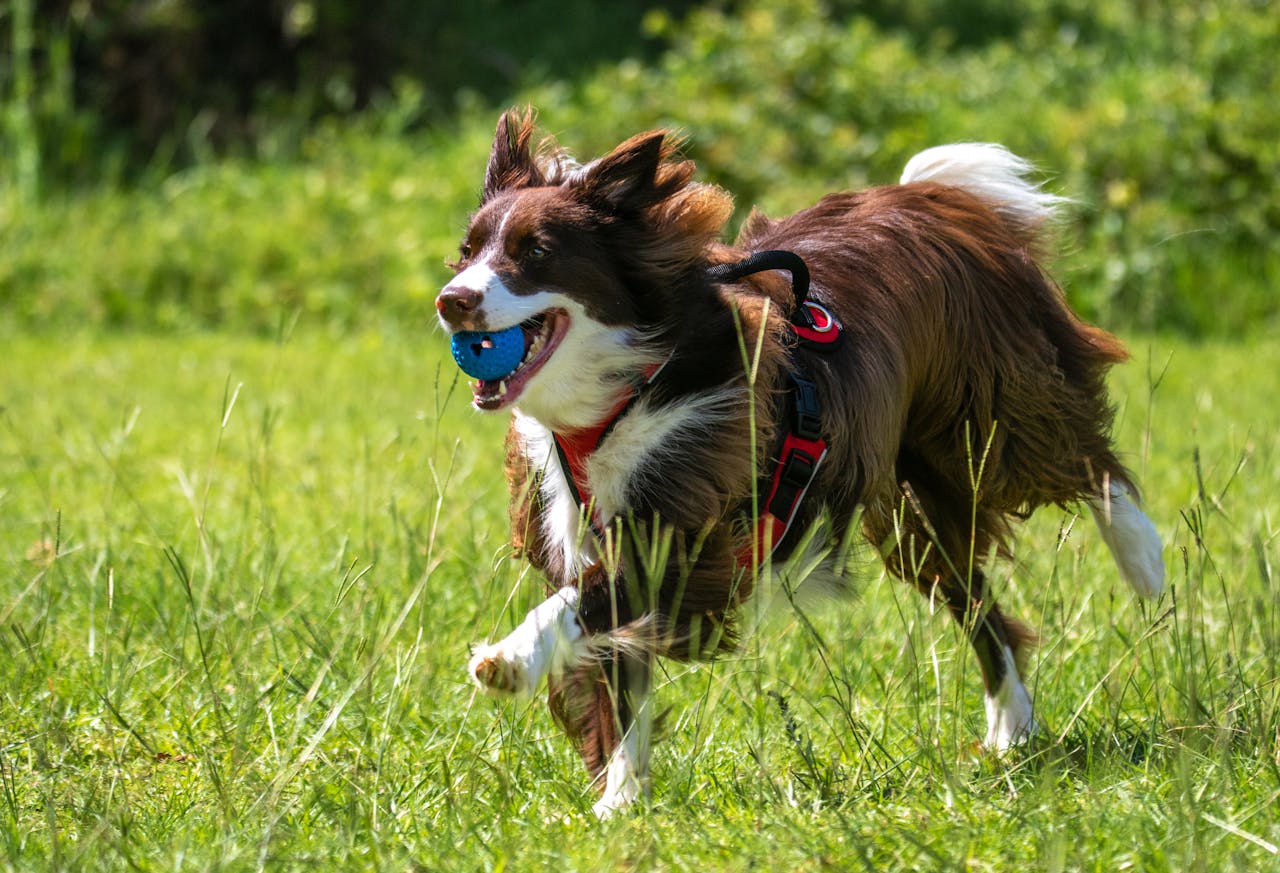

Why Mental Stimulation Matters for Dogs
High-energy dogs are not just physically active; they are mentally wired to work, solve problems, and stay engaged throughout the day. Breeds like Border Collies, Huskies, and German Shepherds are known for their intelligence, which means they require consistent mental challenges. Without brain stimulation, their energy has nowhere productive to go, often leading to frustration. Think of your dog’s brain like a muscle—if it is not used regularly, it becomes restless and inefficient.
When dogs engage in brain games, they release pent-up energy in a constructive way. These activities activate their natural instincts, such as hunting, sniffing, and problem-solving. This not only satisfies their mental needs but also strengthens their bond with you. A mentally stimulated dog is calmer, more focused, and far less likely to engage in destructive behavior.
Behavioral Problems Caused by Boredom
Boredom is one of the leading causes of behavioral issues in dogs. If your dog is chewing furniture, barking excessively, or digging randomly, it may not be a discipline issue—it could simply be a lack of mental engagement. High-energy dogs especially struggle when their environment does not challenge them.
Brain games act as a positive outlet for their energy. Instead of redirecting frustration into unwanted habits, dogs learn to channel it into problem-solving activities. Over time, this reduces anxiety and improves overall behavior. Providing daily mental enrichment is not just optional; it is essential for raising a balanced and happy dog.
Benefits of Brain Games for Active Dogs
Physical vs Mental Exercise
Many dog owners rely heavily on physical exercise like long walks or runs. While these are important, they do not fully tire a high-energy dog. Mental exercise can be just as exhausting—sometimes even more so. A 15-minute brain game session can leave your dog more satisfied than an hour-long walk.
Mental stimulation forces your dog to think, focus, and make decisions. This cognitive effort drains energy in a healthy way, leading to a calmer state of mind. Combining physical and mental activities creates the perfect balance for your dog’s daily routine.
Long-Term Health and Happiness
Brain games contribute to your dog’s long-term well-being. Regular mental challenges can improve memory, slow cognitive decline, and boost confidence. Dogs that engage in brain games are generally more adaptable and less prone to stress.
These activities also strengthen the relationship between you and your dog. When you actively participate in games, your dog sees you as a source of fun and learning. This builds trust and deepens your connection, making training and everyday interactions smoother.
Interactive Puzzle Games
Treat-Dispensing Toys
Interactive puzzle toys are one of the best tools for stimulating your dog’s mind. These toys require your dog to solve a problem to access a hidden treat. Whether it involves sliding pieces, flipping lids, or rolling a ball, each puzzle challenges your dog in a unique way.
Start with simple puzzles and gradually increase the difficulty as your dog improves. This keeps them engaged and prevents frustration. Puzzle toys are especially useful for keeping your dog occupied when you are busy or away from home.
DIY Puzzle Ideas at Home
You do not always need to buy expensive toys to challenge your dog. Simple household items can be turned into effective brain games. For example, you can hide treats inside a muffin tin and cover each slot with a tennis ball. Your dog will have to figure out how to remove the balls to get the reward.
Another easy idea is the “cup game,” where you place a treat under one of several cups and shuffle them. Your dog must use memory and scent to find the correct one. These DIY puzzles are cost-effective and highly engaging.
Hide and Seek Games
Playing Indoors
Hide and seek is a classic brain game that dogs absolutely love. You can start by asking your dog to stay while you hide somewhere in the house. Then call their name and let them find you. This game taps into their natural tracking instincts and encourages problem-solving.
It also reinforces obedience commands like “stay” and “come.” As your dog improves, you can make the game more challenging by hiding in harder-to-find places.
Advanced Variations
To increase the difficulty, you can hide treats or toys instead of yourself. This requires your dog to rely more on scent and less on visual cues. You can even create a scavenger hunt by hiding multiple items around the house.
Advanced hide-and-seek games keep your dog mentally sharp and prevent boredom. They are also a great way to add variety to your dog’s daily routine.
Scent Work and Nose Games
Why Dogs Love Scent Games
Dogs experience the world primarily through their sense of smell. Scent games allow them to use this natural ability in a structured and rewarding way. Activities like sniffing out hidden treats or identifying specific scents provide deep mental stimulation.
These games are particularly effective for high-energy dogs because they combine focus, patience, and problem-solving. Even a short scent game session can leave your dog feeling satisfied and relaxed.
Easy Scent Training at Home
You can start scent training by hiding treats around a room and encouraging your dog to find them. Use commands like “find it” to guide them. As they improve, you can introduce more complex challenges, such as hiding treats in different containers or rooms.
Consistency is key when it comes to scent training. Regular practice will sharpen your dog’s skills and make the games more enjoyable over time.

Obedience Training as a Brain Game
Teaching New Commands
Training sessions are not just about discipline—they are powerful brain exercises. Teaching your dog new commands forces them to think, focus, and learn. This mental effort is highly stimulating and rewarding.
Keep sessions short and engaging to maintain your dog’s interest. Use positive reinforcement techniques like treats and praise to encourage learning.
Trick Training for Mental Stimulation
Trick training adds an element of fun to obedience training. Teaching tricks like rolling over, spinning, or playing dead challenges your dog in new ways. These activities improve coordination and boost confidence.
Trick training is also a great way to showcase your dog’s intelligence while keeping them mentally active.
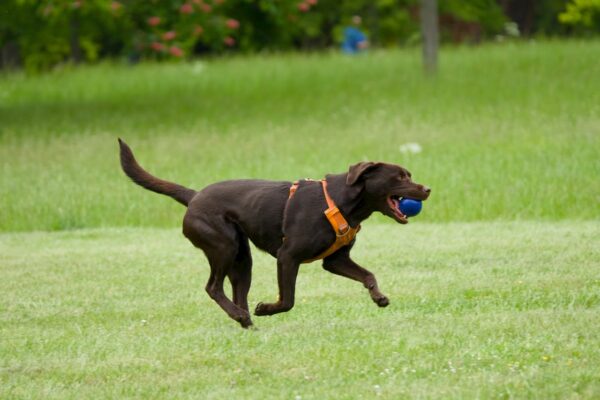
Interactive Play with Owners
Tug-of-War with Rules
Tug-of-war is more than just a physical game—it can also be mentally stimulating when played with structure. Teaching your dog rules like “drop it” or “take it” adds a layer of discipline and control.
This combination of physical and mental engagement makes tug-of-war a highly effective activity for high-energy dogs.
Smart Fetch Variations
Fetch can be turned into a brain game by adding challenges. For example, you can ask your dog to sit or perform a trick before throwing the ball. This forces them to think before acting.
You can also vary the environment or use multiple toys to keep the game interesting. These small changes make a big difference in mental stimulation.
Rotating Toys Strategy
Preventing Toy Boredom
Dogs can quickly lose interest in toys if they are always available. Rotating toys keeps them fresh and exciting. Store some toys away and reintroduce them after a few days.
This simple strategy keeps your dog engaged without needing to constantly buy new toys. It also helps maintain a sense of novelty, which is crucial for mental stimulation.
Common Mistakes to Avoid
One common mistake is relying solely on physical exercise. High-energy dogs need both physical and mental challenges to stay balanced. Another mistake is introducing games that are too difficult too quickly, which can lead to frustration.
Consistency is also important. Occasional brain games are not enough—your dog needs daily mental engagement. Finally, always supervise your dog during games to ensure safety.
Conclusion
Brain games are essential for keeping high-energy dogs happy, healthy, and well-behaved. From puzzle toys to scent games and training exercises, there are countless ways to challenge your dog’s mind. By incorporating these activities into your daily routine, you can prevent boredom, reduce behavioral issues, and strengthen your bond with your furry companion.
A mentally stimulated dog is not just tired—it is fulfilled. And that makes all the difference.
FAQs
1. How often should I play brain games with my dog?
You should aim for at least 15 to 30 minutes of mental stimulation daily, depending on your dog’s energy level and breed.
2. Are brain games suitable for all dog breeds?
Yes, all dogs benefit from mental stimulation, but high-energy and intelligent breeds need it the most.
3. Can brain games replace physical exercise?
No, brain games should complement physical activity, not replace it.
4. What are the best toys for mental stimulation?
Puzzle toys, treat-dispensing toys, and interactive games are highly effective.
5. How do I know if my dog is mentally stimulated enough?
A well-stimulated dog is calm, relaxed, and less likely to show destructive behaviors.