
Why Dogs Struggle to Stay Alone
Let’s be honest—dogs aren’t designed to be alone for long periods. They’re social animals, wired to stay close to their pack. And guess what? You are their pack. So when you suddenly leave the house, your dog doesn’t just see it as a break—it can feel like abandonment. That’s why many dogs panic, bark excessively, or even destroy things when left alone.
Training your dog to stay home alone isn’t about forcing independence overnight. It’s about slowly building confidence and helping your dog understand that being alone is safe, temporary, and completely normal. Think of it like teaching a child to sleep alone in their room—it takes patience, reassurance, and consistency.
Understanding Separation Anxiety
Separation anxiety is one of the biggest reasons dogs struggle with being alone. It’s not just “bad behavior”—it’s genuine stress. Dogs with anxiety may pace, whine, scratch doors, or even try to escape. This isn’t your dog being stubborn—it’s your dog feeling scared.
Signs Your Dog Is Not Comfortable Alone
You might notice:
- Excessive barking when you leave
- Chewed furniture or destroyed items
- Accidents inside the house
- Clingy behavior before you leave
These signs are your dog’s way of saying, “I’m not okay being alone yet.”
Preparing Your Dog for Alone Time
Before you even start training, preparation is key. You can’t just leave your dog alone for hours and expect things to go smoothly. You need to create an environment where your dog feels safe and relaxed.
Creating a Safe Environment
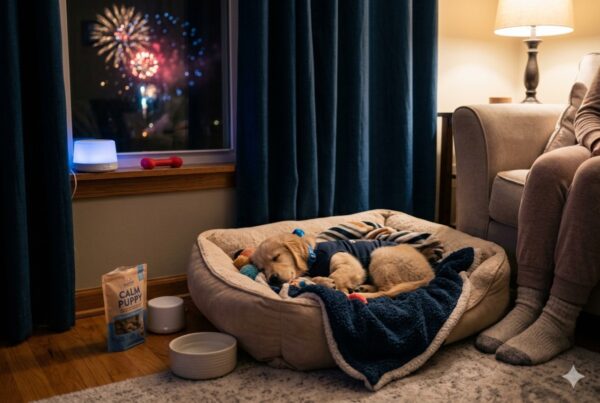
Your dog’s space should feel like a comfort zone, not a punishment area. Leave familiar items like their bed, toys, and even something that smells like you. This helps reduce anxiety because your scent reassures them.
Choosing the Right Space
Some dogs do better in a crate, while others prefer a room. The goal is to limit access to areas where they might get into trouble. Start small—like a quiet room—then gradually expand their freedom as they become more comfortable.
Step-by-Step Training Process
Training your dog to stay home alone is a gradual process. There’s no shortcut here, but the results are worth it.
Start with Short Absences
Begin by leaving your dog alone for just a few minutes. Seriously—even 5 minutes is enough at the start. Step outside, then come back calmly. Don’t make a big deal out of leaving or returning. This teaches your dog that your absence isn’t something to panic about.
Gradually Increase Time
Once your dog is comfortable with short absences, slowly increase the time. Go from 5 minutes to 10, then 20, and so on. The key is to move at your dog’s pace. If they show signs of stress, slow down.
Building Positive Associations
Here’s a powerful trick: give your dog something they love right before you leave. A chew toy or treat can distract them and create a positive connection with your departure. Over time, your dog will start thinking, “Oh, they’re leaving—awesome, I get my favorite toy!”
Tools and Techniques That Help
Training becomes much easier when you use the right tools.
Toys and Mental Stimulation
Dogs get bored easily, and boredom often leads to destructive behavior. Interactive toys, puzzle feeders, and chew items keep your dog busy and mentally engaged. A tired brain is a calm brain.
Crate Training Benefits
Crates can be incredibly helpful when used correctly. They provide a secure, den-like space where your dog feels safe. However, the crate should never feel like punishment. It should be a place your dog chooses to relax in.
Common Mistakes to Avoid
Even with the best intentions, many dog owners make mistakes that slow down progress.
Punishment and Its Effects
Punishing your dog for destructive behavior won’t fix the problem—it often makes it worse. Remember, your dog isn’t misbehaving out of spite. They’re reacting to stress. Punishment only increases anxiety.
Over-Attachment Issues
If your dog follows you everywhere and never spends time alone, they’ll struggle when you leave. Encourage independence by occasionally having your dog stay in another room while you’re home. This builds confidence.
How Long Can Dogs Stay Alone?
Not all dogs can handle the same amount of alone time.
Puppies vs Adult Dogs
| Age Group | Recommended Alone Time |
| Puppies | 2–4 hours max |
| Adult Dogs | 6–8 hours max |
| Senior Dogs | 4–6 hours depending on health |
Puppies need more frequent breaks because of their small bladders and high energy levels. Adult dogs are more independent but still need attention and exercise.
When to Seek Professional Help
Sometimes, no matter how hard you try, your dog may still struggle. That’s okay. Some cases of separation anxiety require professional guidance.
Severe Anxiety Cases
If your dog shows extreme behaviors like self-injury, nonstop barking, or panic attacks, it’s time to consult a professional trainer or veterinarian. They can provide tailored strategies or even recommend calming solutions.
Conclusion
Training your dog to stay home alone isn’t just about convenience—it’s about your dog’s emotional well-being. With patience, consistency, and the right approach, you can turn a stressful situation into a calm and manageable routine. Every small step you take builds your dog’s confidence, helping them understand that being alone doesn’t mean being abandoned.
The goal isn’t perfection—it’s progress. Some dogs learn quickly, while others take time. Stay consistent, stay calm, and remember that your dog is learning to trust the situation just as much as they trust you.
FAQs
1. How long does it take to train a dog to stay home alone?
It depends on the dog. Some learn within a few weeks, while others may take a couple of months with consistent training.
2. Can I leave my dog alone for 8 hours?
Adult dogs can handle it occasionally, but daily long hours are not ideal without breaks or stimulation.
3. Should I leave the TV or music on for my dog?
Yes, background noise can help reduce loneliness and make your dog feel less isolated.
4. What is the best toy for dogs left alone?
Interactive toys and chew toys work best as they keep your dog mentally engaged.
5. Is crate training necessary?
Not always, but it can be helpful for creating a safe and secure space for your dog.
![[#7114] Red Female Dachshund DOG](https://www.petlandwoodlands.com/wp-content/uploads/2026/10/38581-1-600x600.jpg)
![[#7217] Cream Male Chow Chow DOG](https://www.petlandwoodlands.com/wp-content/uploads/2026/10/46222-600x600.jpg)
![[#7216] Blue Merle Female Pomeranian DOG](https://www.petlandwoodlands.com/wp-content/uploads/2026/10/46238-600x600.jpg)
![[#7215] Black / Tan Female German Shepherd DOG](https://www.petlandwoodlands.com/wp-content/uploads/2026/10/46230-600x600.jpg)
![[#7214] Golden Male Golden Retriever DOG](https://www.petlandwoodlands.com/wp-content/uploads/2026/10/46251-600x600.jpg)
![[#7211] Tan / White Male Cockapoo DOG](https://www.petlandwoodlands.com/wp-content/uploads/2026/10/46226-600x600.jpg)
![[#7212] Black / Tan Male Morkie DOG](https://www.petlandwoodlands.com/wp-content/uploads/2026/10/46234-600x600.jpg)
![[#7209] Chocolate / White Male Shih Tzu DOG](https://www.petlandwoodlands.com/wp-content/uploads/2026/10/46242-600x600.jpg)

![[#7208] Black / Tan Female Yorkie DOG](https://www.petlandwoodlands.com/wp-content/uploads/2026/10/46246-600x600.jpg)
![[#7205] Light Golden Female Golden Retriever DOG](https://www.petlandwoodlands.com/wp-content/uploads/2026/10/45906-600x600.jpg)
![[#7177] Fawn Male Boxer DOG](https://www.petlandwoodlands.com/wp-content/uploads/2026/10/45515-1-600x600.jpg)
![[#7151] Sable Male Lhasa Apso DOG](https://www.petlandwoodlands.com/wp-content/uploads/2026/10/45039-600x600.jpg)