Large breed
Briard Puppies
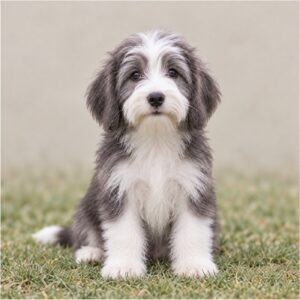
Sometimes all you want in a pet is a strong yet loyal spirited dog and the briard is one of the dog breeds with these qualities. With its thickly bushy coat that falls right on to the face giving it a peek-a-boo facial look and fancy beards leaving everyone with a subtle yearning to have it wag its hairy tail all over the house. So, what are the other areas to take to heart when having a briard for keeps? Discover more about our Briard puppies for sale below!
We do not have Briard puppies on the floor today. Tell us what you are looking for and we will let you know the moment one arrives, or help you find a breed that suits your home just as well.
- Adult weight 50–100 lbs
- Height 22–27 in
- Lifespan 10–12 years
- Exercise 60 min a day

About the Briard
The Briard is a magnificent breed that traces its origins back to France, where these loyal and intelligent dogs were primarily used for herding sheep. Known for their distinctive long, flowing coats and robust build, Briards are not just beautifully striking, but also known for their affectionate nature, making them an excellent addition to many family homes. If you have young kids, you’ll find that Briards can be particularly compatible, thriving in environments rich with love and activity.
Read more about the Briard Show less
With a moderate energy level, these dogs require regular exercise to keep them healthy and happy, but they are not overly demanding. Daily walks and playtime can meet their needs, which makes them suitable for homes with some outdoor space, although they may not be the best fit for apartment living. Being somewhat vocal, Briards can alert you to visitors or anything unusual, which adds to their protective instincts while ensuring your family feels safe.
Grooming a Briard is a commitment; they do require professional grooming sessions to maintain their beautiful coat. As for training, they have a bit of a stubborn streak. While they may not be the easiest to train, their eagerness to please and loyal nature make them rewarding companions for those who invest the time and patience in their education. If you’re looking to welcome a Briard into your home, you’ll find a loving friend who brings joy and a sense of security to your family, especially if you’re in Petland Woodlands, TX.
Briard breed profile
Every score below is set by our team for this breed. Higher is simply more of that trait, not better or worse.
Temperament
-
Affection Very affectionate
-
Playfulness Very playful
-
With strangers Wary
-
Territorial Very territorial
-
Prey drive High
Family & other pets
-
Young children Good
-
Older children Excellent
-
Other dogs Selective
-
Cats Needs care
Energy & exercise
-
Energy High
-
Mental stimulation High
Training
-
Trainability Independent minded
-
Intelligence Steady
-
Stubbornness Stubborn
Care & upkeep
-
Shedding Light
-
Drooling Minimal
-
Barking Vocal
Home life
-
Apartment living Prefers a house
-
Time alone Short periods
-
Cold weather Comfortable
-
Warm weather Average
A good match for
-
First-time owners Some experience helps
-
Senior owners Suitable
-
Running partner Good
-
Hiking Good
-
Therapy work Good
-
Guarding Strong guardian
Living with a Briard
Temperament & Family Fit
The Briard is a lovable giant that thrives on affection and companionship. Known for their gentle nature, they are particularly good with young kids, making them an ideal family pet. With their loyal and watchful demeanor, these dogs embody both the role of a playful partner and a devoted protector.
Energy & Exercise
Though classified as a large breed, Briards have a moderate energy level, requiring regular exercise to keep them happy and engaged. Daily walks and playtime in the yard will help burn off their energy, but be mindful of their somewhat sensitive nature when it comes to exertion. Finding ways to entertain their inquisitive minds is key, so consider activities that involve both physical and mental stimulation.
Care & Grooming
The beautiful coat of a Briard requires professional grooming to keep it looking its best and to prevent matting. While they shed moderately, consistent care can help minimize the impact of loose fur around your home. Regular grooming not only benefits their appearance but also strengthens the bond between you and your furry friend.
Training Notes
Though the Briard may not be the most naturally trainable breed, their eagerness to bond with you can lead to successful learning experiences. Patience and positive reinforcement will go a long way in training sessions, as harsh methods can backfire with this sensitive breed. Keep training sessions fun and engaging to foster a positive relationship between you and your smart companion!
Caring for a Briard
- Grooming
- Professional grooming
- Grooming cost
- High
- Monthly food
- Average
- Outdoor space
- A yard is recommended
- Allergy friendly
- Not considered hypoallergenic
Frequently Asked Questions
What is the Briard's personality like?
Briards are known for their affectionate and warm nature. They thrive on human companionship and are often great with families, especially those with young kids. Their loyalty and playful demeanor make them wonderful companions.
Are Briards good with other pets?
Briards can coexist with other dogs, but they may not always be the best match for furry friends due to their independent nature. However, they generally get along well with cats, especially when introduced properly. It's important to supervise their interactions initially.
How much exercise do Briards need?
Briards have a moderate energy level and enjoy regular exercise. Daily walks and playtime will help keep them healthy and happy. They love outdoor activities, so if you're an active family, they might just be the perfect fit!
How much grooming do Briards require?
Briards have a beautiful coat that requires professional grooming to keep it in top shape. Regular grooming is essential to prevent matting and to maintain their distinctive look. While they don't shed excessively, a good grooming routine is a must.
Are Briards suitable for apartment living?
While Briards can adapt to apartment living, they do best in homes where they have space to move around and play. If you live in an apartment, be prepared to take them for plenty of walks and provide ample exercise. With the right attention and activity, they can thrive even in smaller spaces.